
Haizea Latxaga
Architect
Education
Talinn, Estonia
City of Talinn
2024
Architectural design
Masterplanning
Interior architecture
Sustainable design
Heritage & conservation
Ideekonkurss Manufaktuuri Lasteaia (shortlisted)
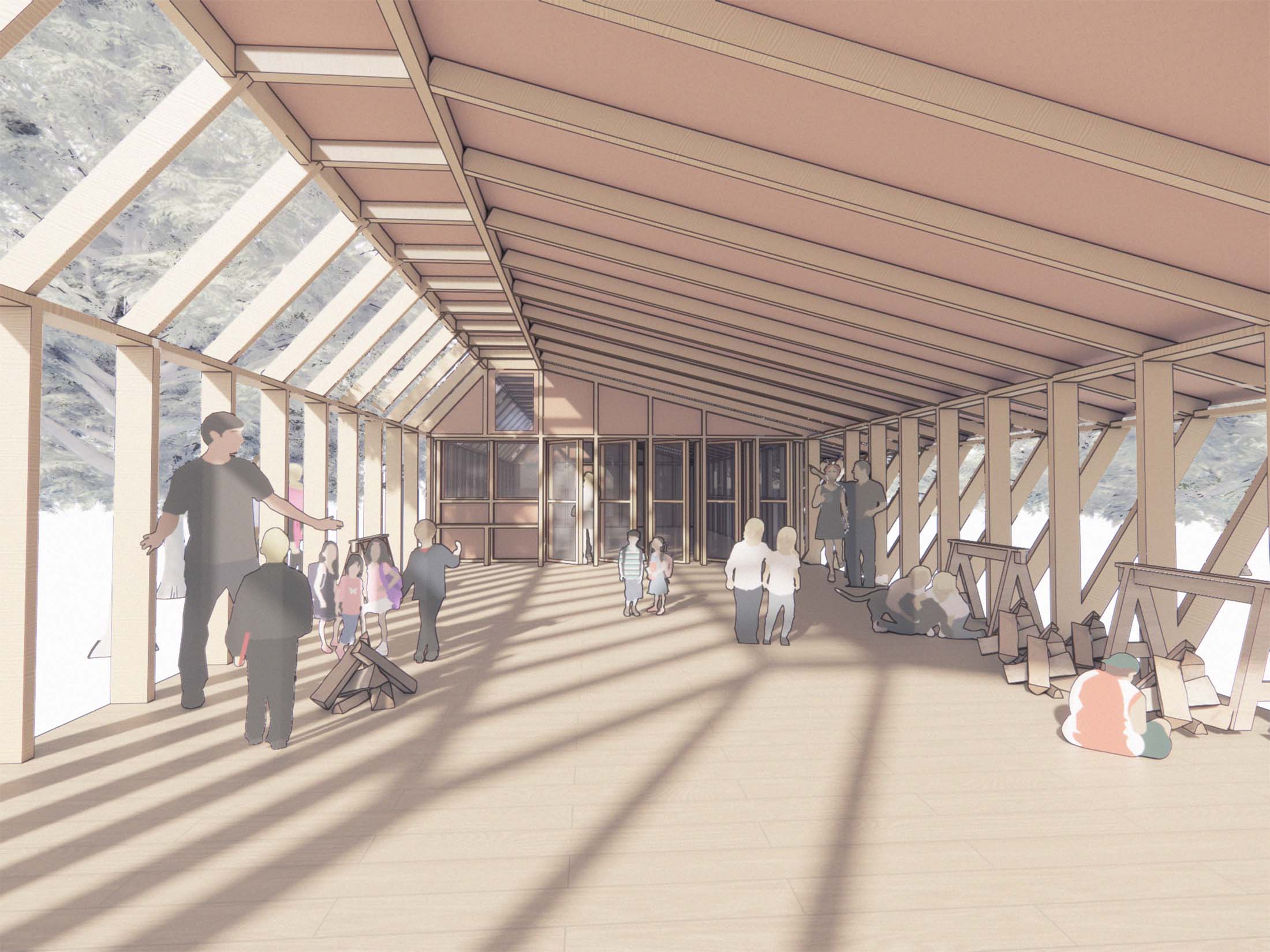
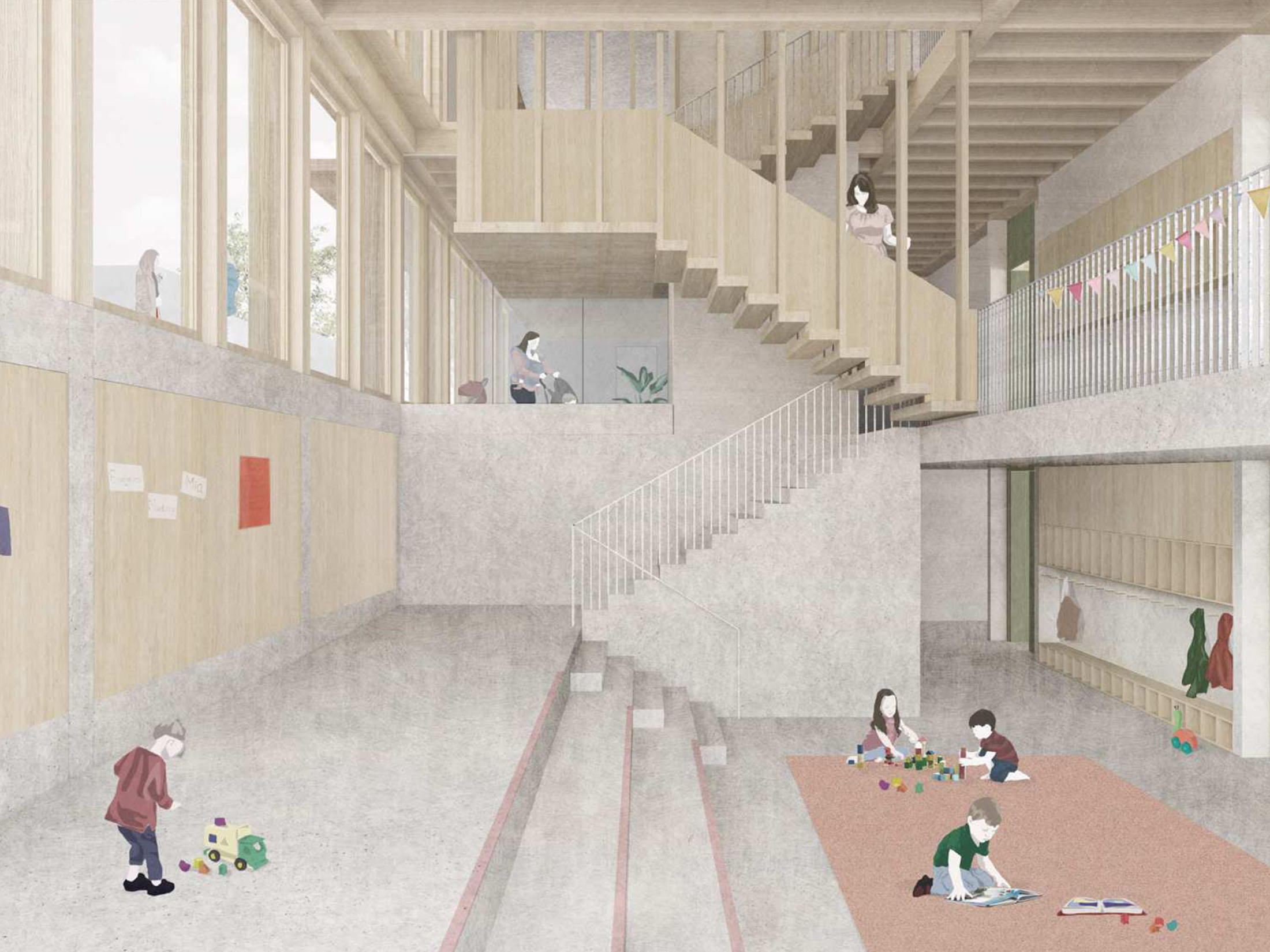
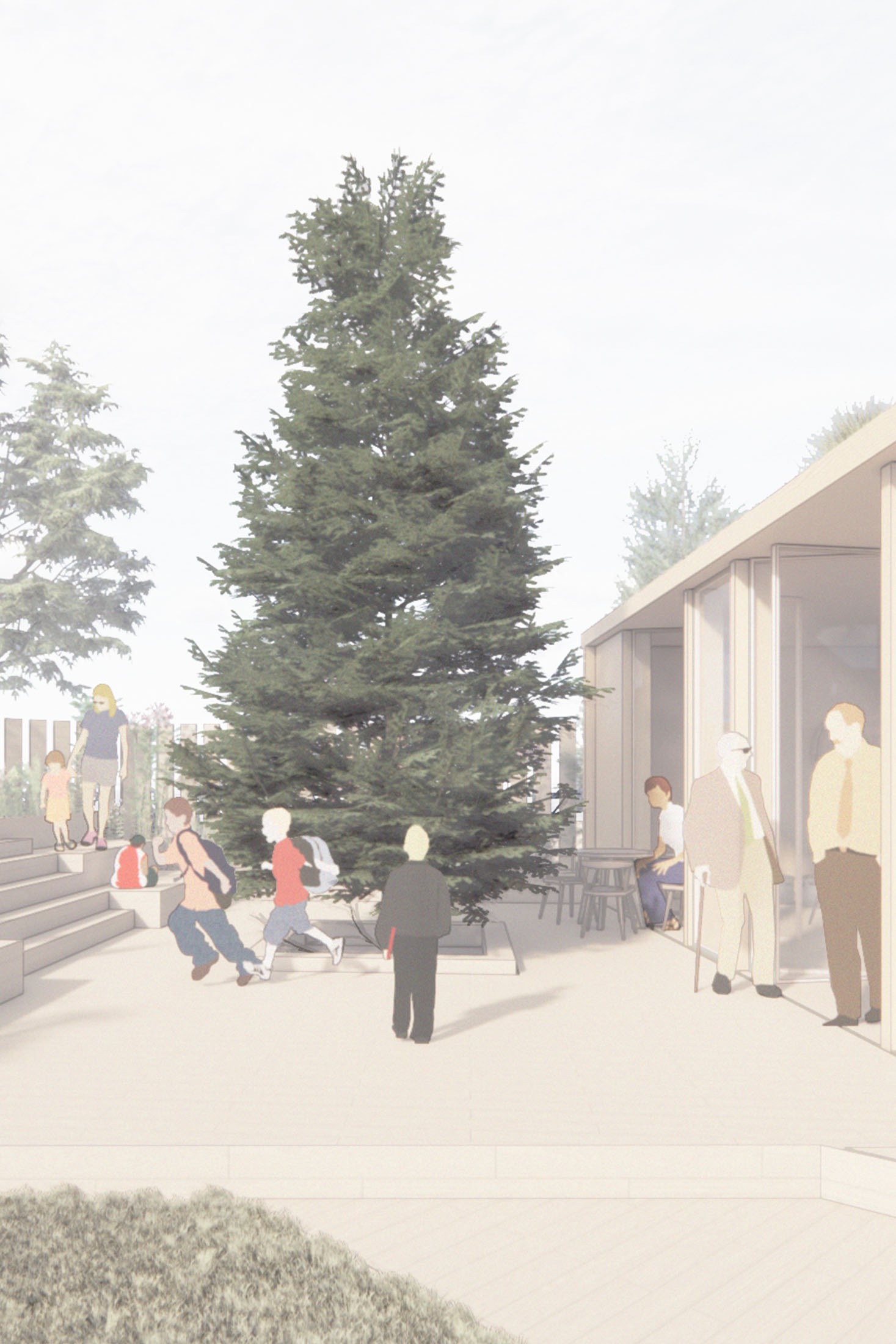
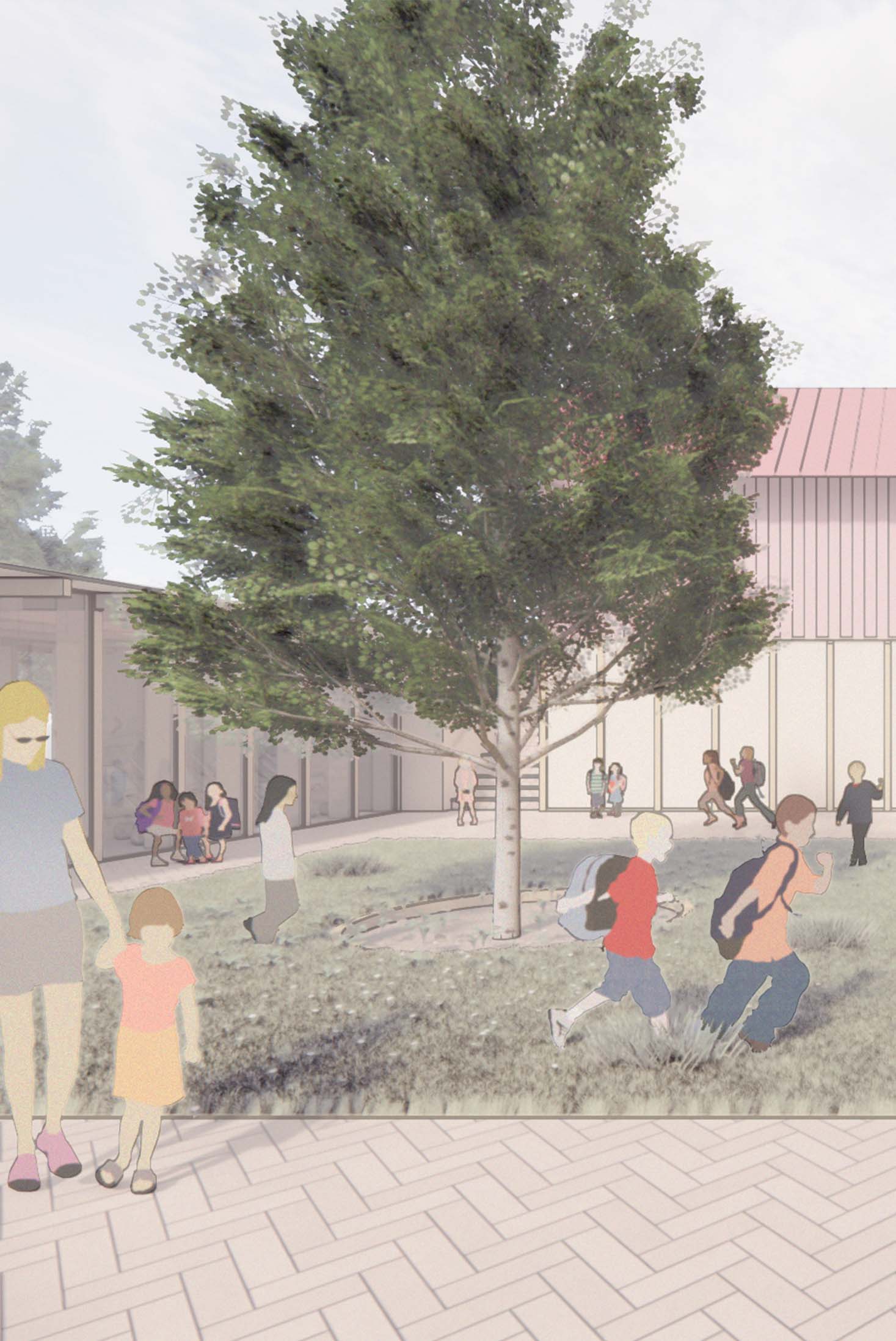
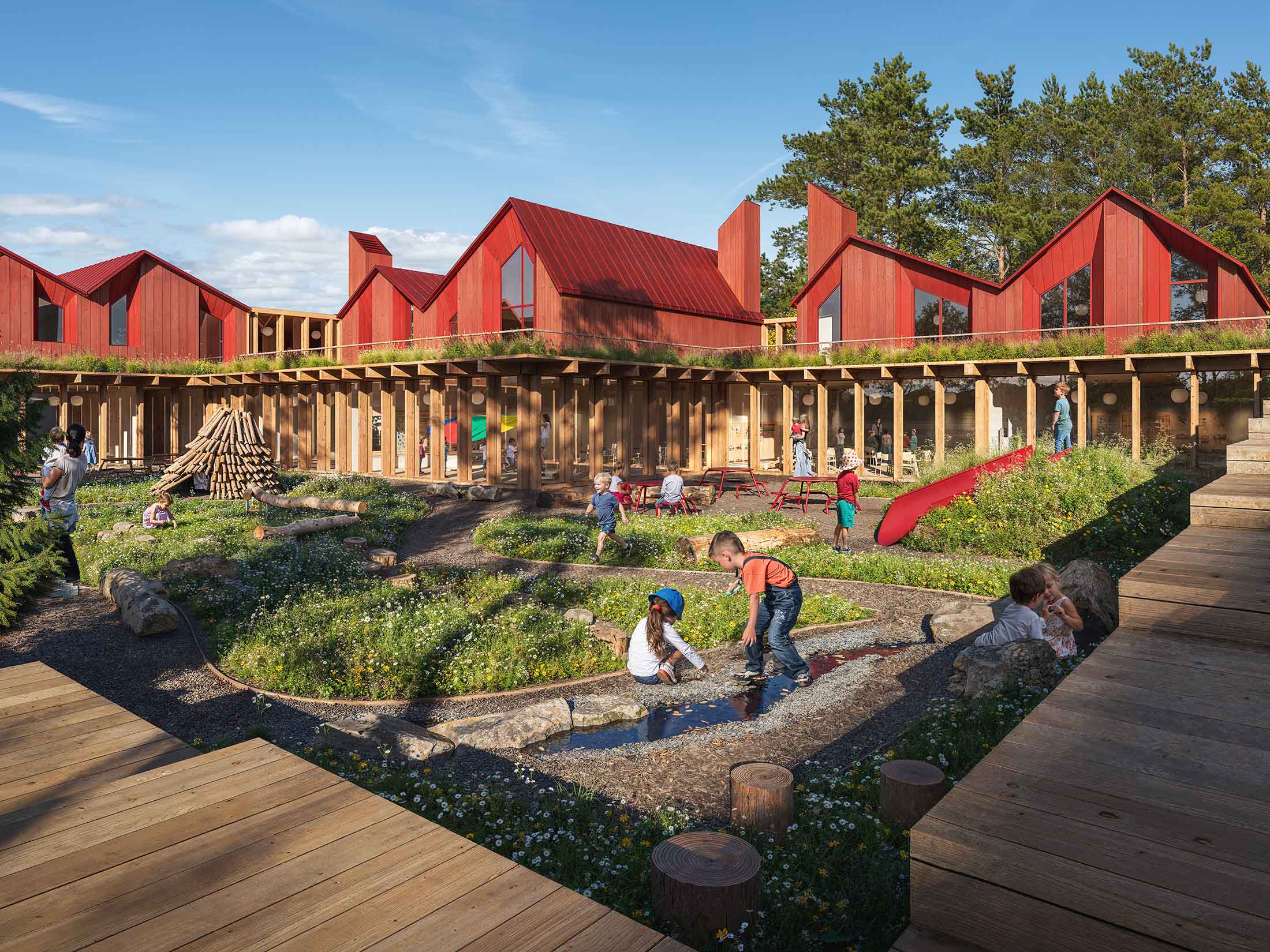
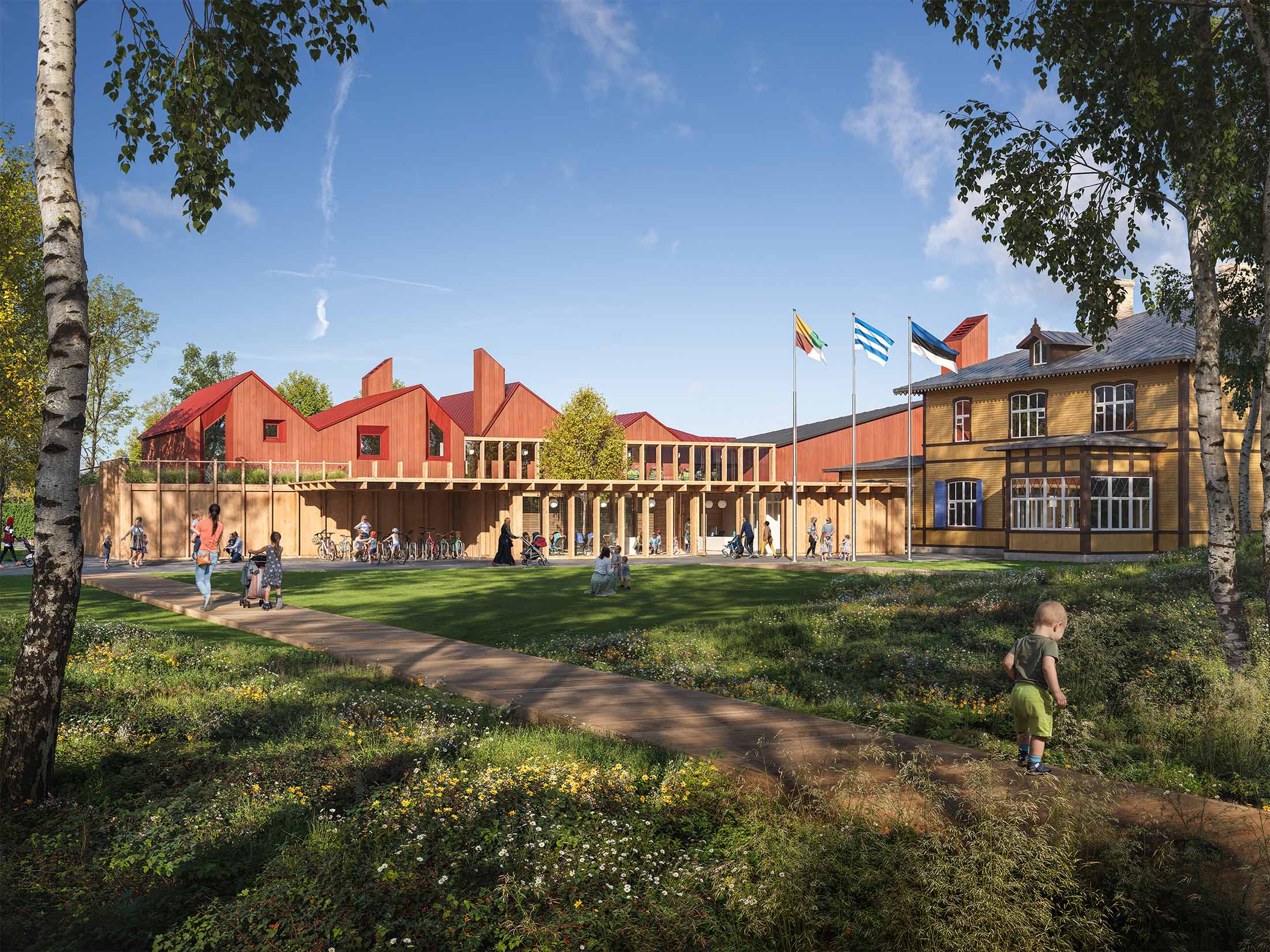
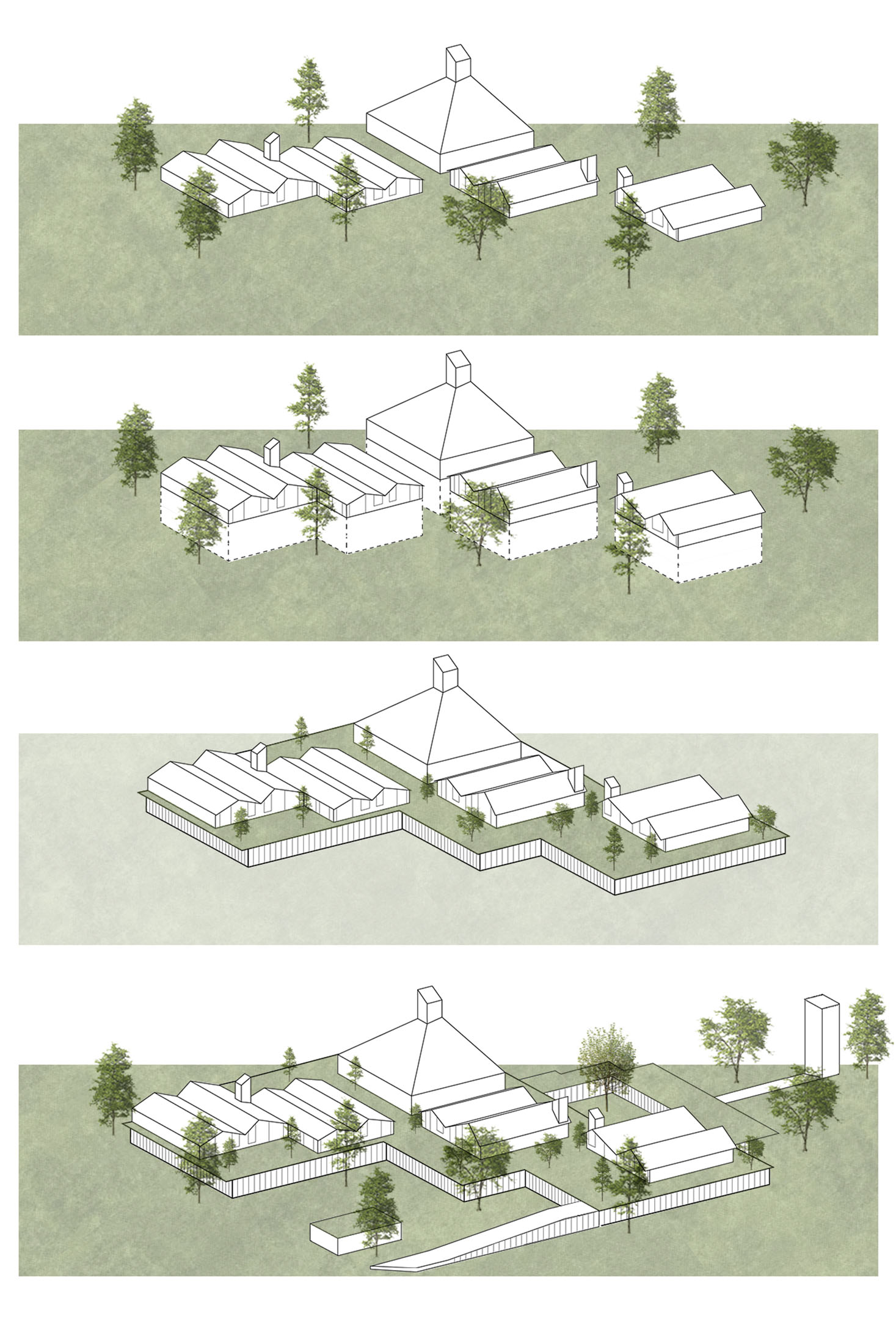
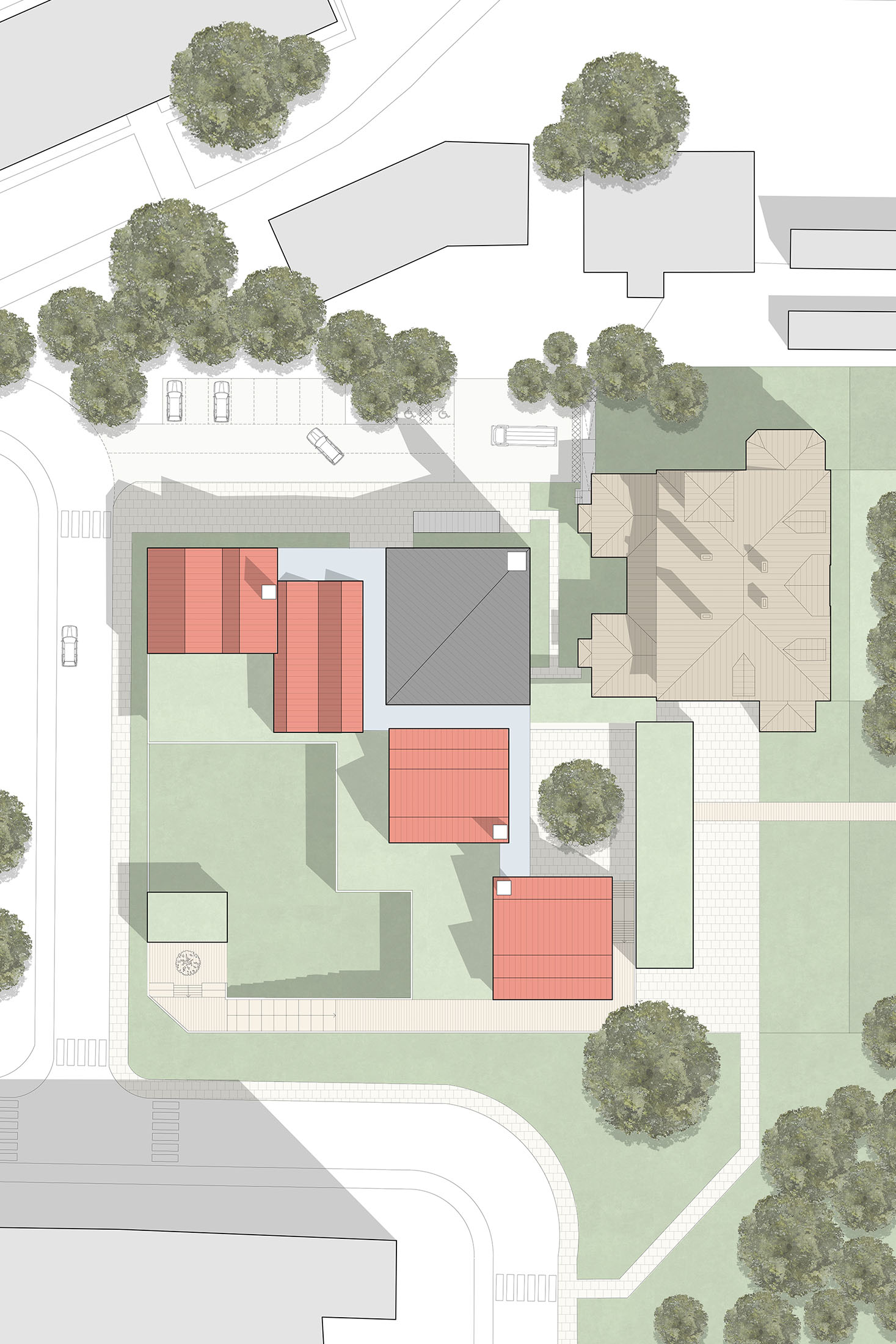
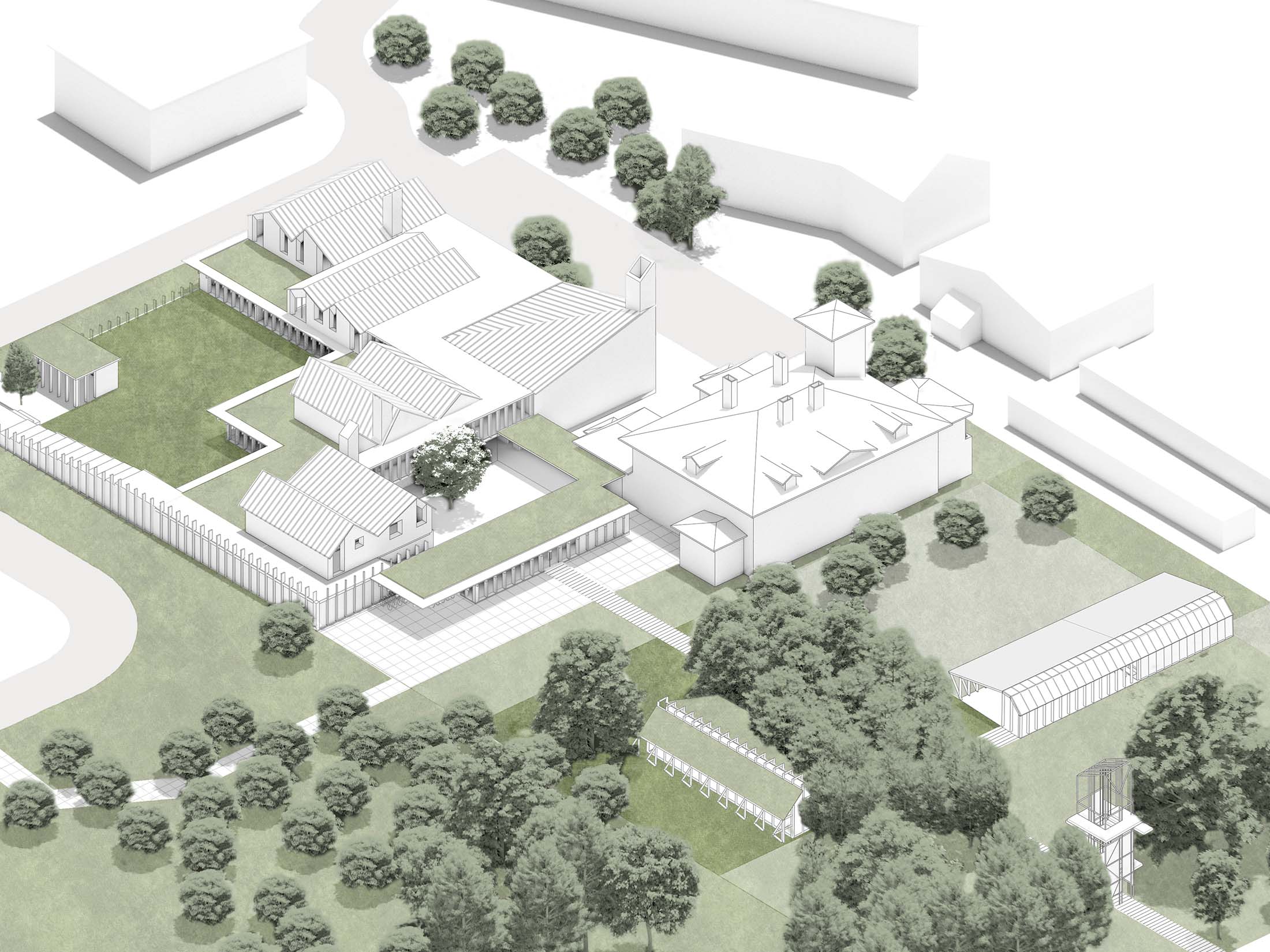
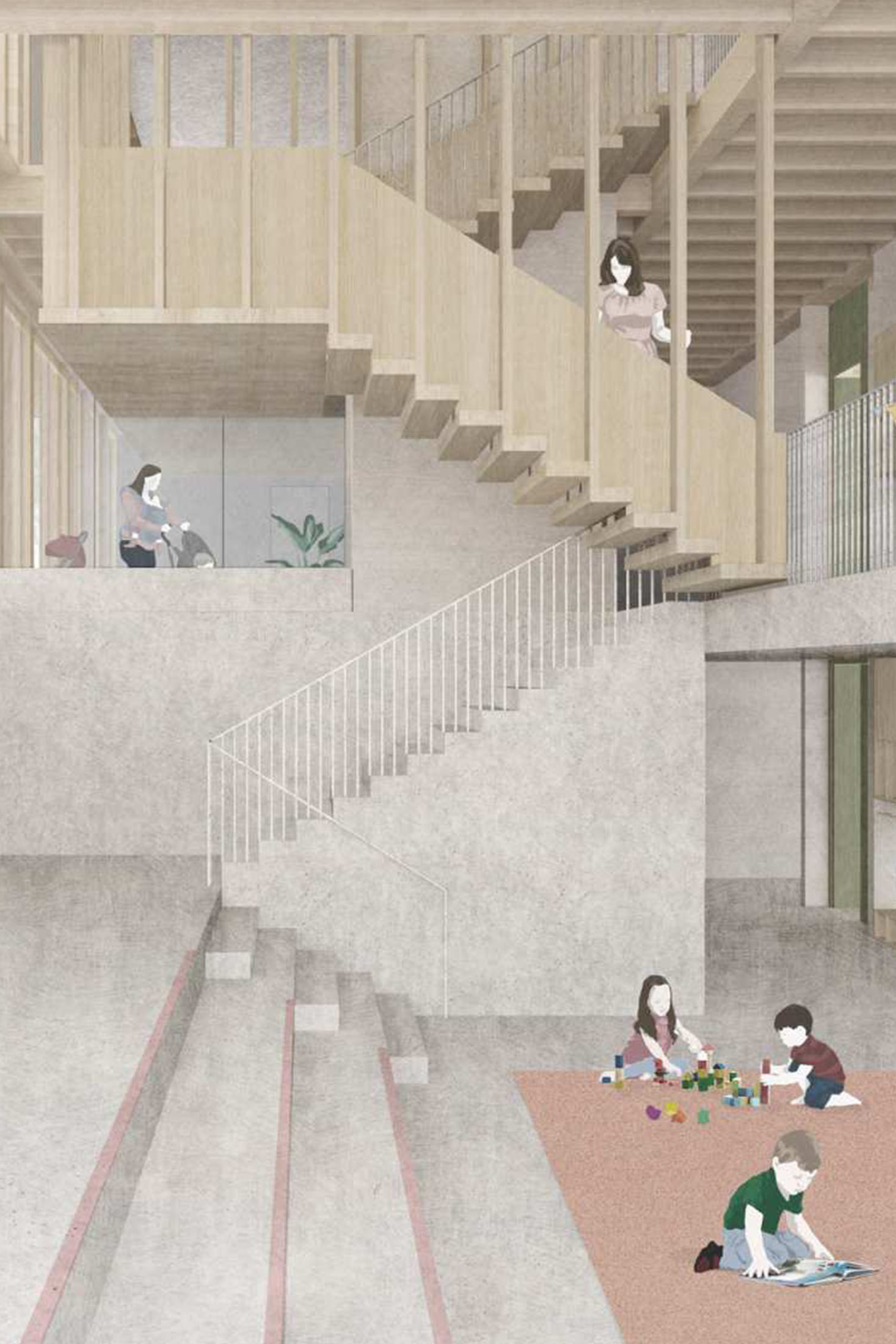
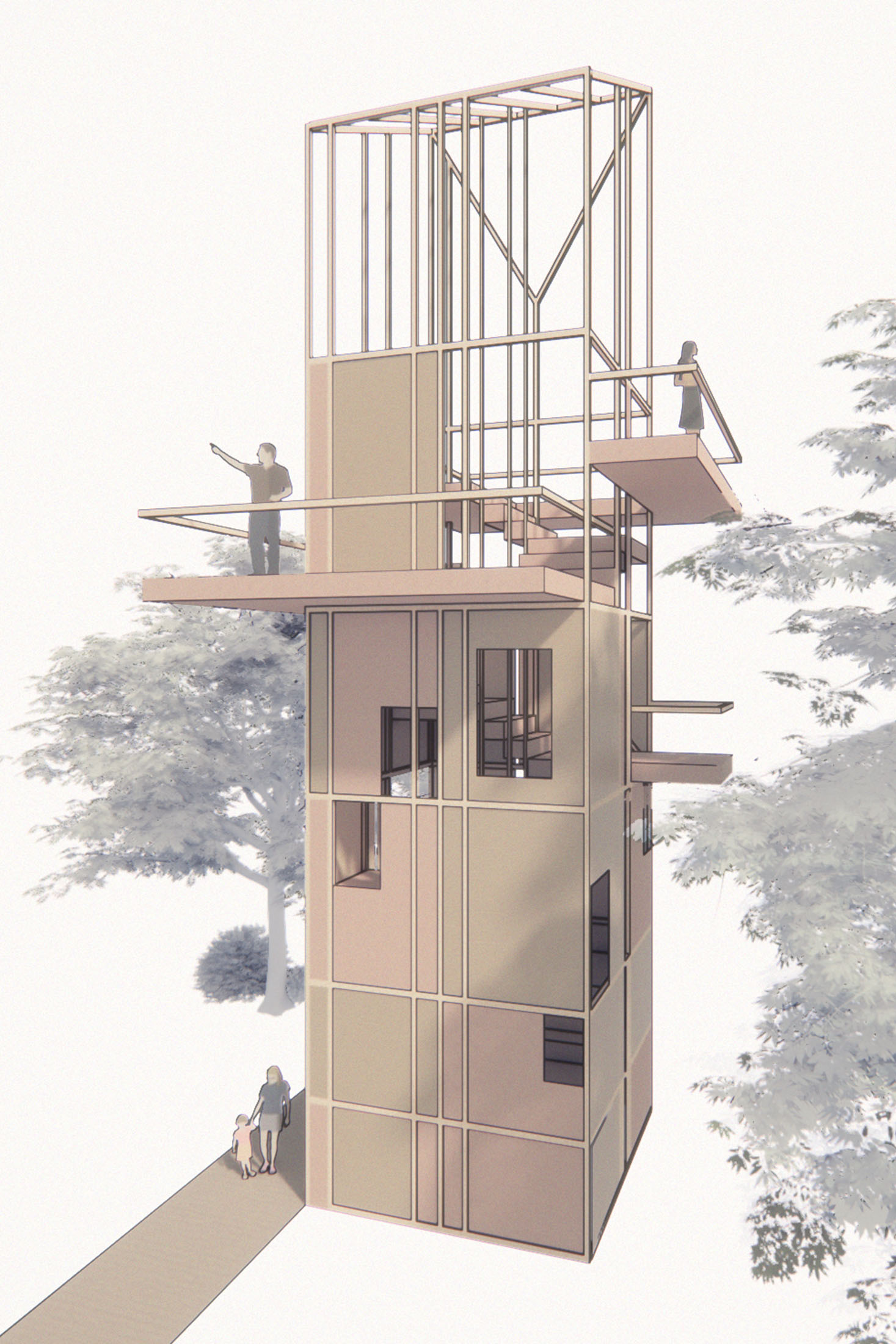
Forest Weave Kindergarten’s ambitious programme offers an innovative early education environment with a strong connection to nature and the wider community. Anchored by a restored historic villa, the scheme is organised as a cluster of small-scale nursery buildings arranged to form a ‘mini village’ within the existing tree canopy. This fragmented layout preserves mature trees while establishing a clear, legible campus that supports both learning and social interaction. Internal and external spaces are closely interwoven, with classrooms, courtyards, and shared areas designed to encourage exploration and independence. The result is a cohesive environment that supports early years development while reinforcing a strong sense of place, community, and ecological responsibility.
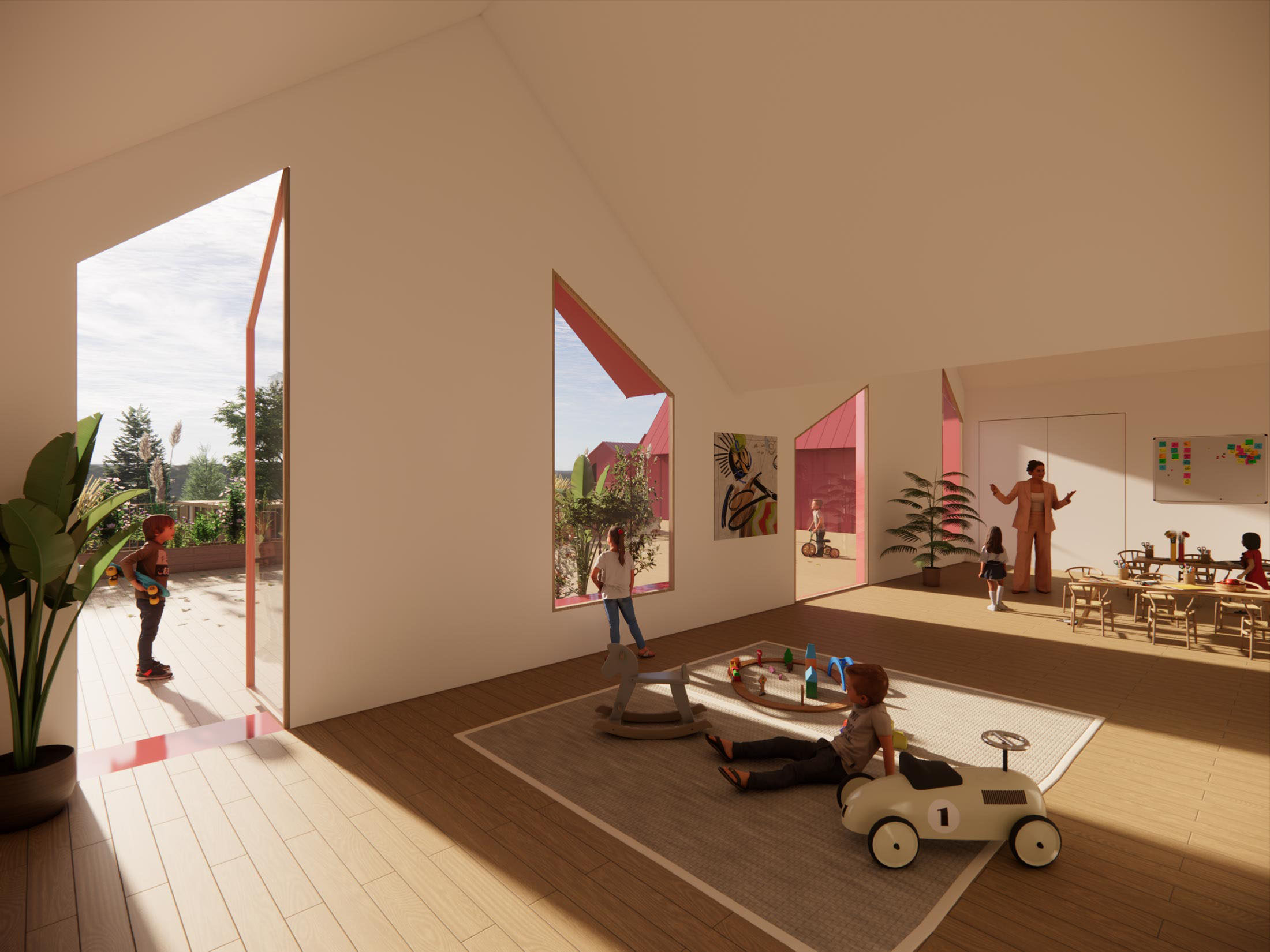
Nursery volumes are clad in timber and organised as a series of simple forms, with pitched roofs and chimneys referencing regional architecture. Salmon-red zinc roofs introduce a distinct but contextual identity, while vertical timber columns create a consistent architectural language across the site. Ground-floor nursery rooms are set back behind these columns, with continuous floor-to-ceiling glazing allowing natural light to fill internal spaces and providing direct access to external play areas. Internally, tall pitched ceilings and carefully positioned windows create open, light-filled environments that support exploration and maintain a strong connection between indoor and outdoor spaces.
A fabric-first approach to sustainability underpins the project’s overall net zero design, combining passive design with low-impact construction to create a healthy, efficient environment for children and staff. The building is carefully oriented along a south-east to south-west arc to maximise natural daylight and solar gain, with deep roof overhangs providing shading and maintaining comfortable internal conditions. Green and pitched roofs support rainwater collection, while integrated solar technology, including a Roofit standing seam system, contributes to on-site renewable energy generation. Natural ventilation is enhanced through the arrangement of volumes and supported by heat recovery systems integrated within chimney structures. The use of prefabricated timber construction reduces waste and embodied carbon, while minimising disruption during the build.
We’d love to hear from you. Get in touch to start a conversation or learn more about our practice.
London Office
28-29 Great Sutton Street
Second Floor
London
EC1V 0DS
020 3918 5699
info@mailendesign.com
Oxfordshire Office
The Cart Shed
Manor Farm
West Hagbourne
Didcot
OX11 0ND
020 3918 5699
info@mailendesign.com