Ben Mailen
Architect & Managing Director
Retail
Marylebone, London
Selfridges
2016
Architectural design
Interior architecture
Planning & regulatory support
Technical design & delivery
Post-occupancy support
Project management
Nulty Lighting
Campaign Design
WB Shiels
Dula
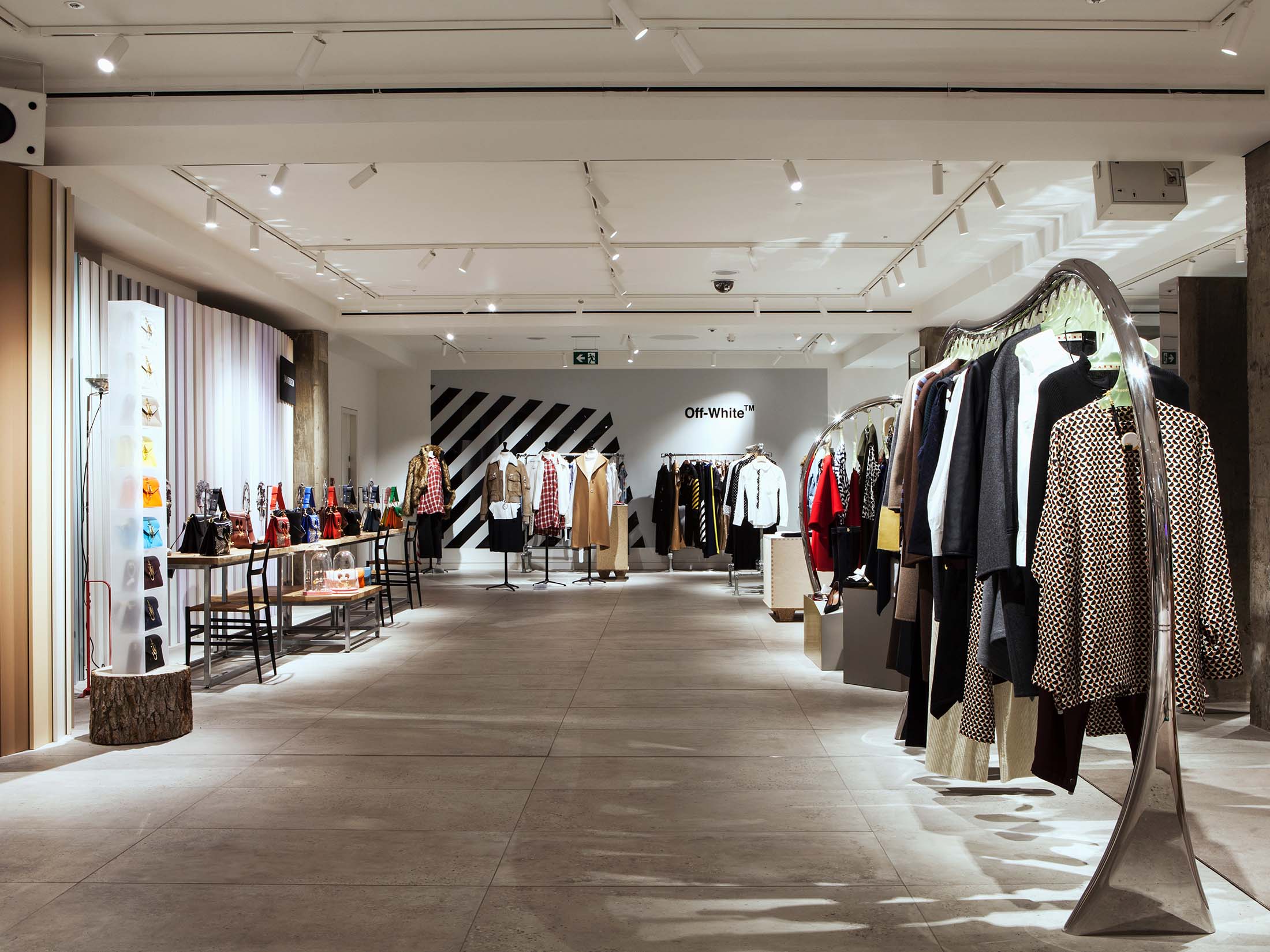
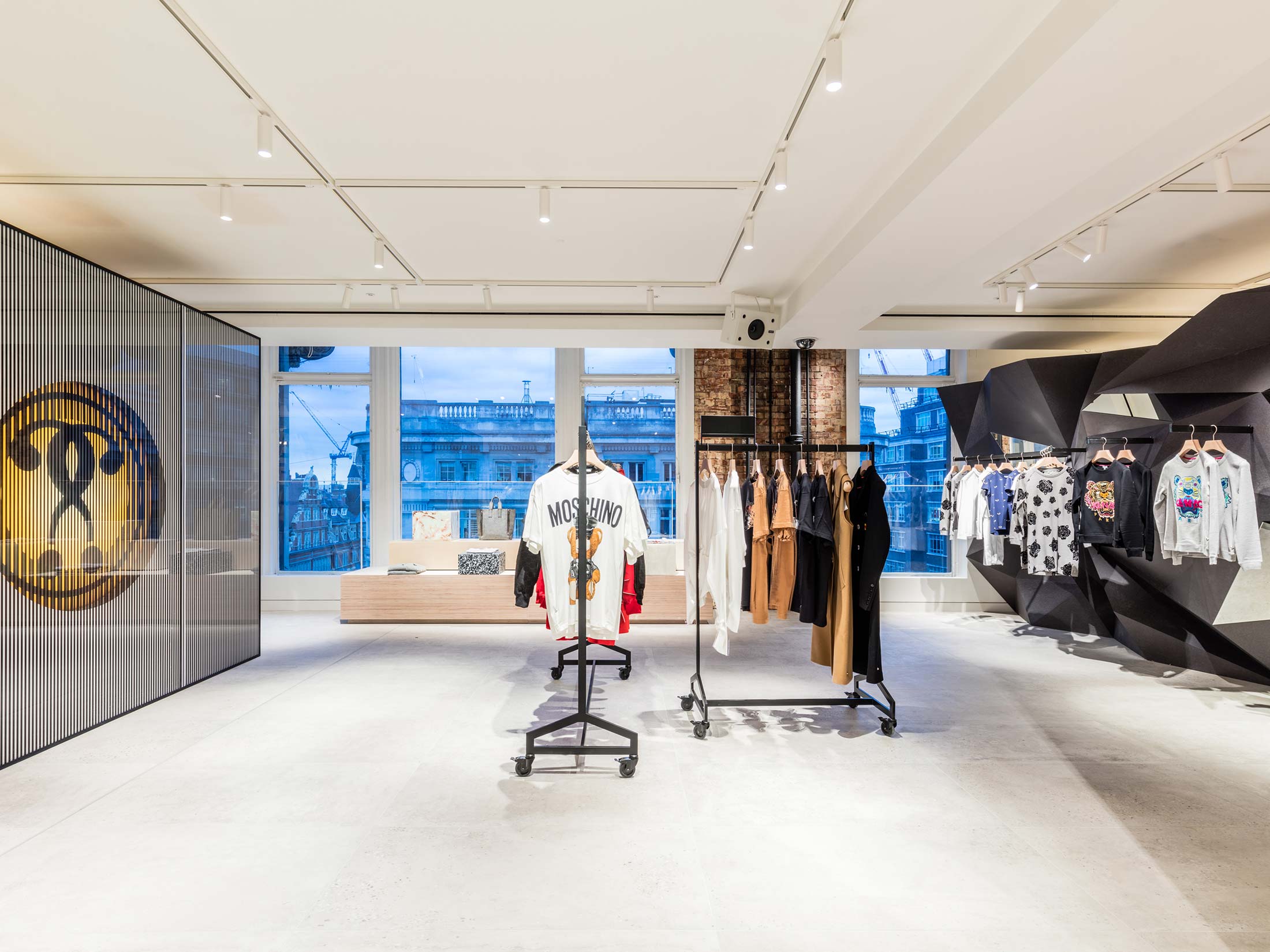
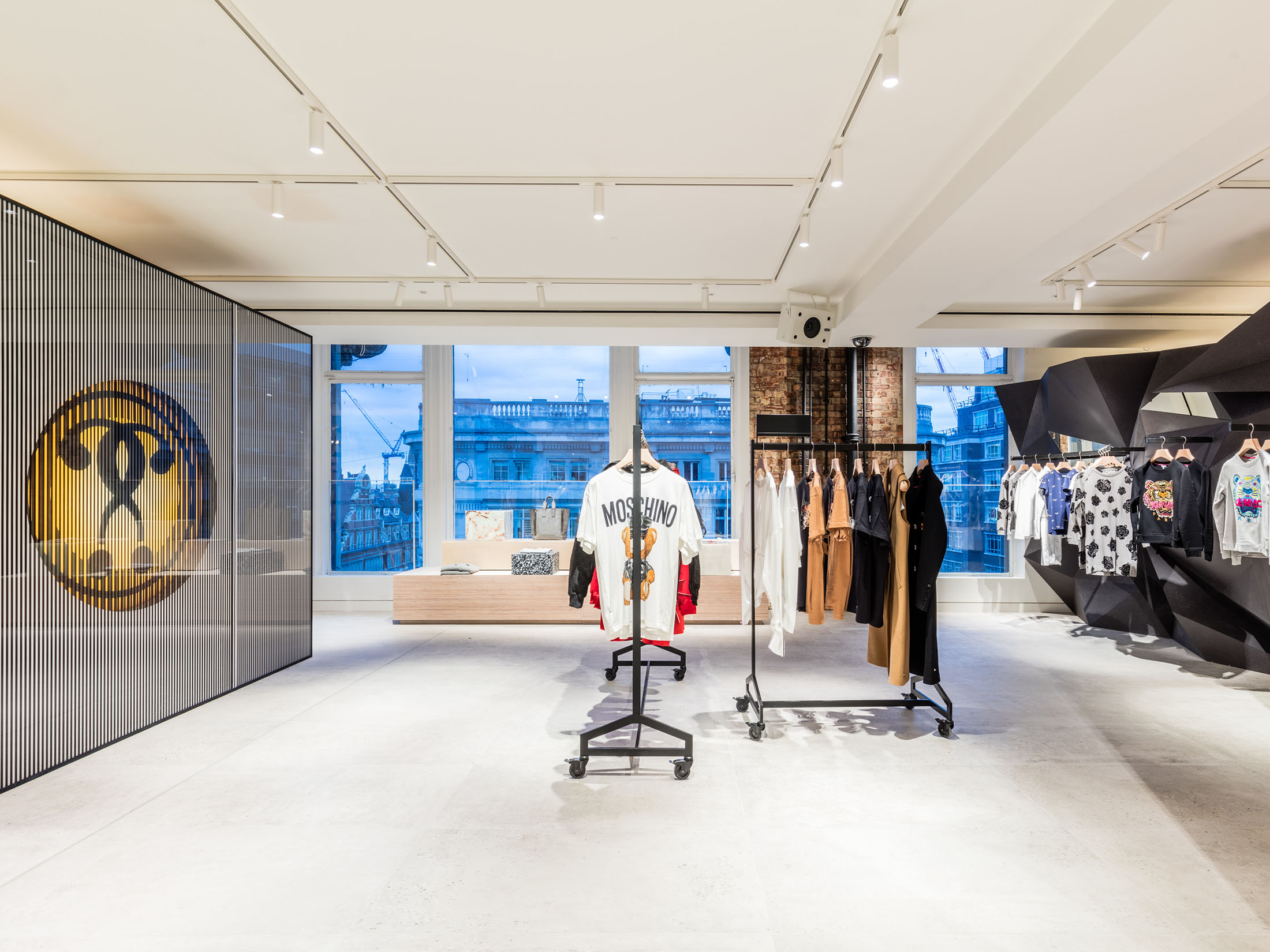
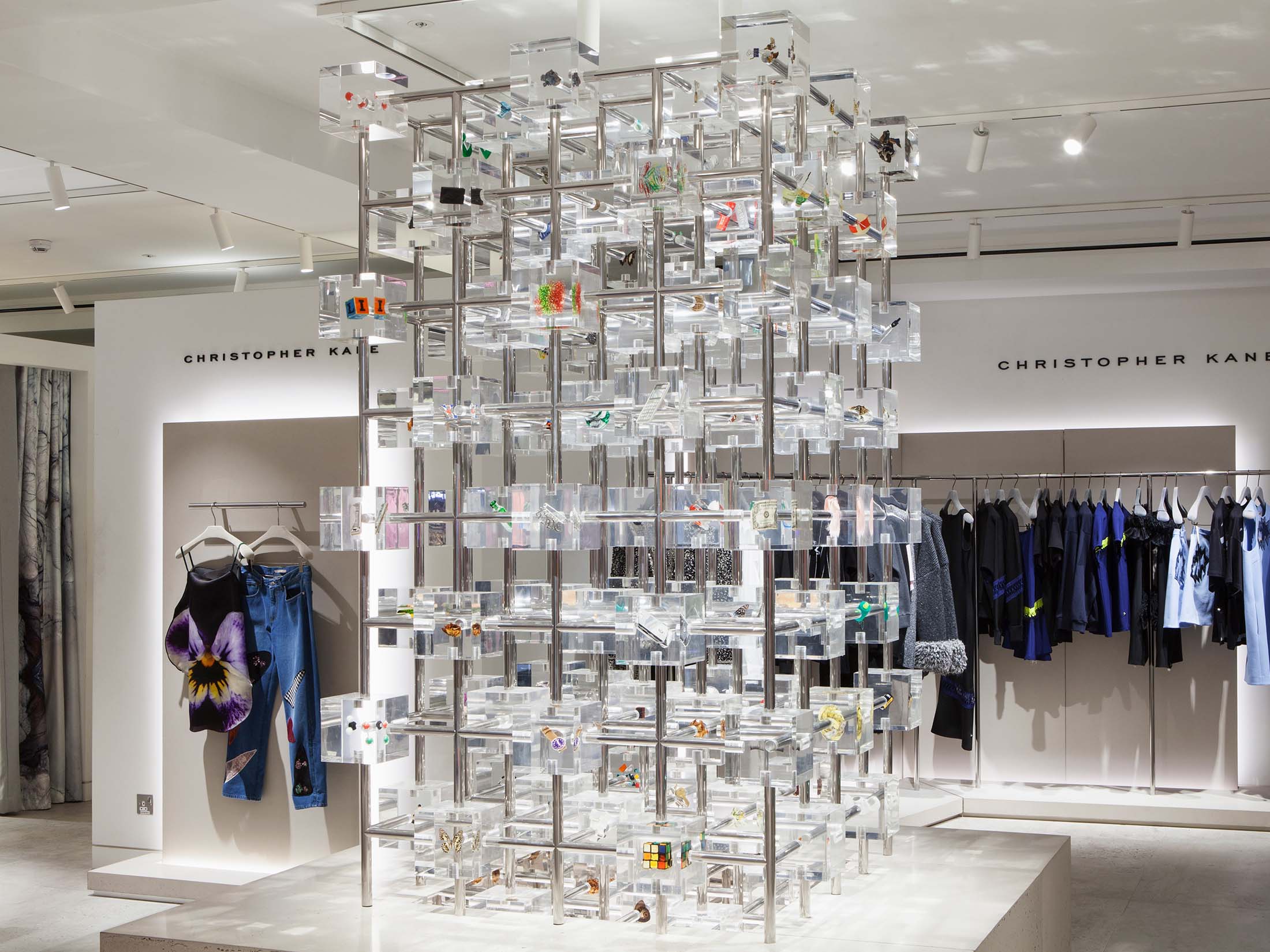
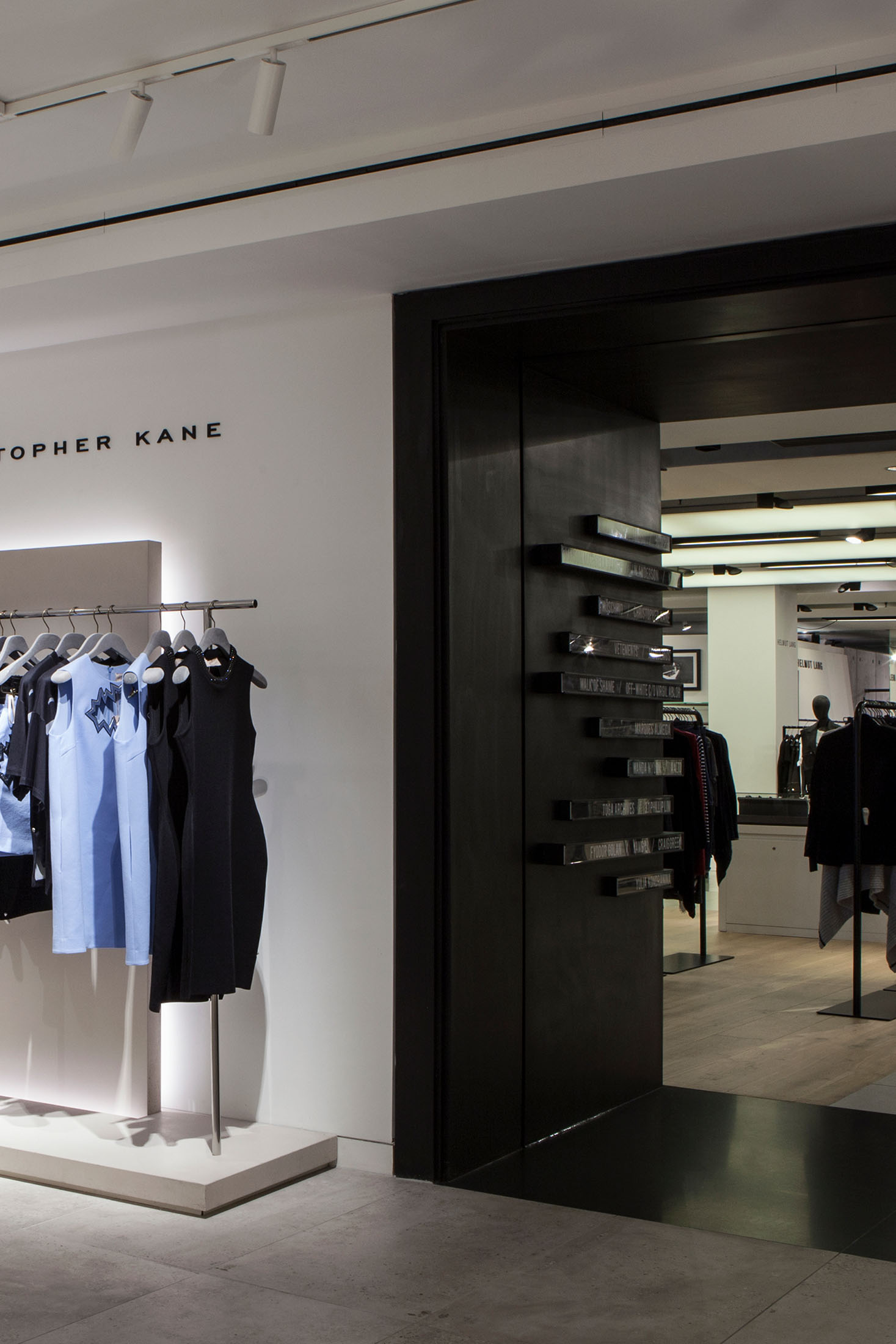
Selfridges Designer Studio redefines the conventional department store model, establishing an open and adaptable retail landscape that supports continuous change in brand, layout and display. The space is organised as a clear, legible floorplate where circulation, visibility and flexibility underpin the customer experience. Existing structural elements are exposed to form a consistent architectural backdrop, allowing new interventions to operate as independent insertions within the plan. This approach enables the environment to accommodate evolving merchandising strategies while maintaining coherence, supporting both operational efficiency and a more curated high end retail experience.
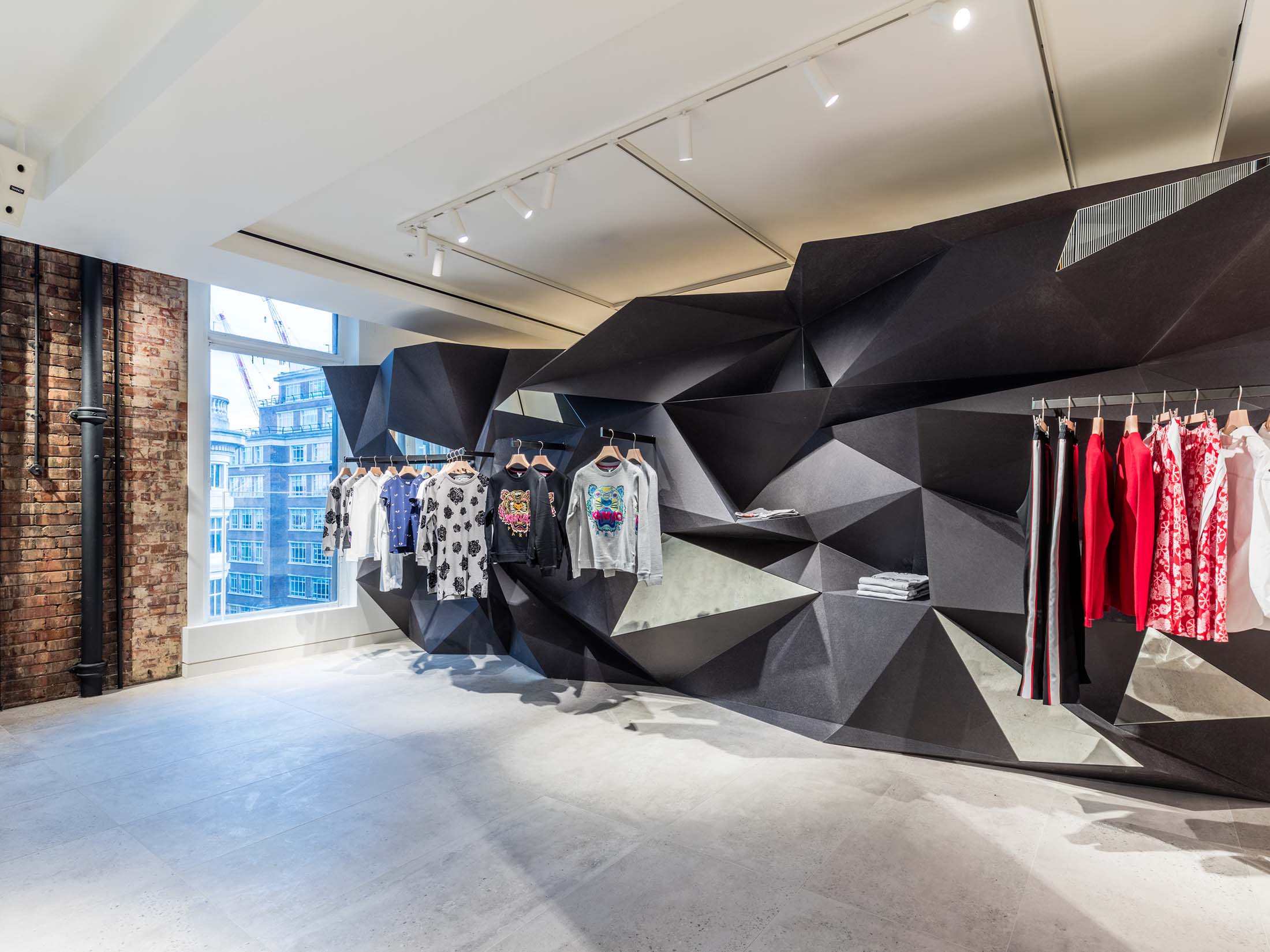
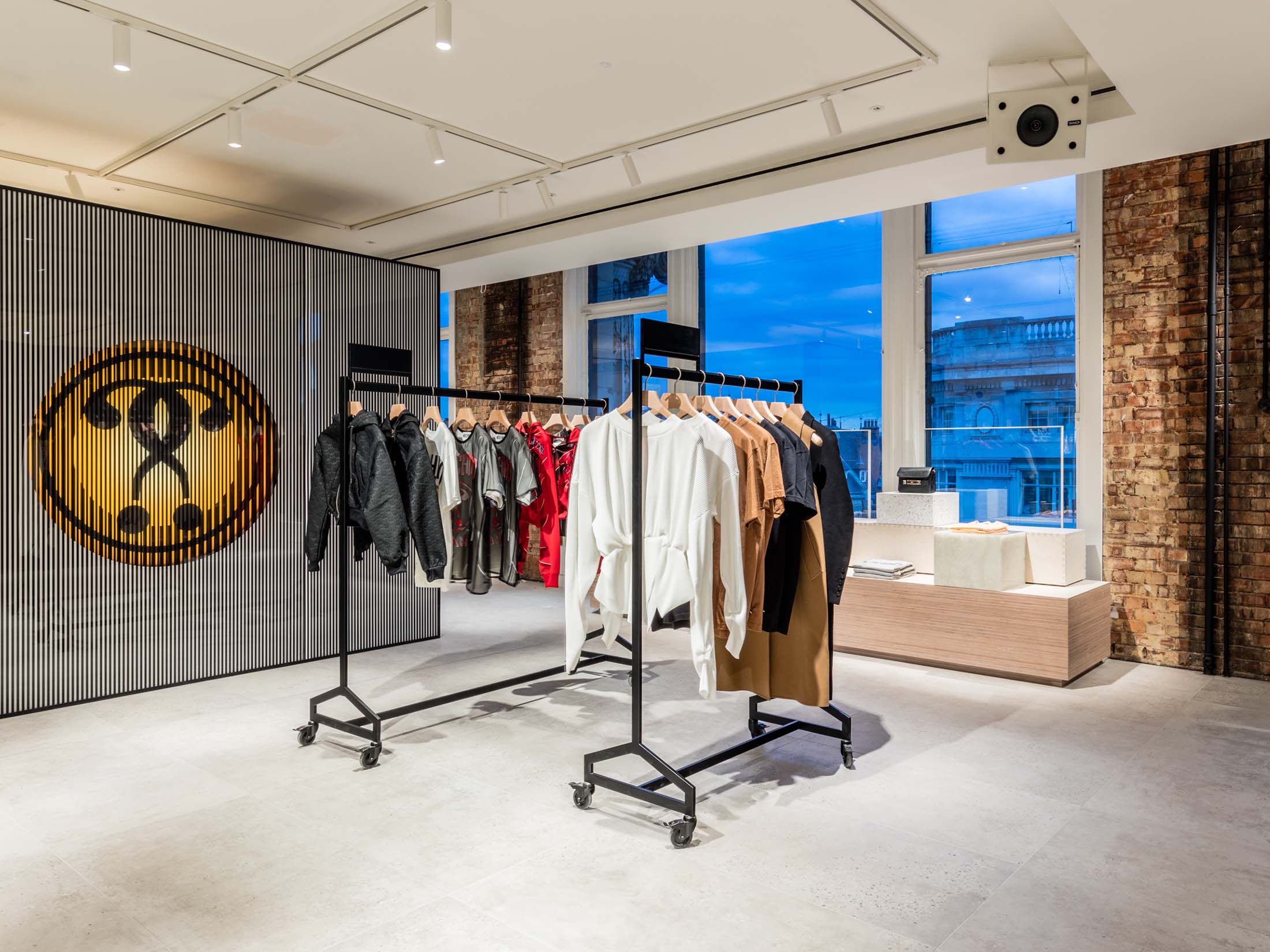
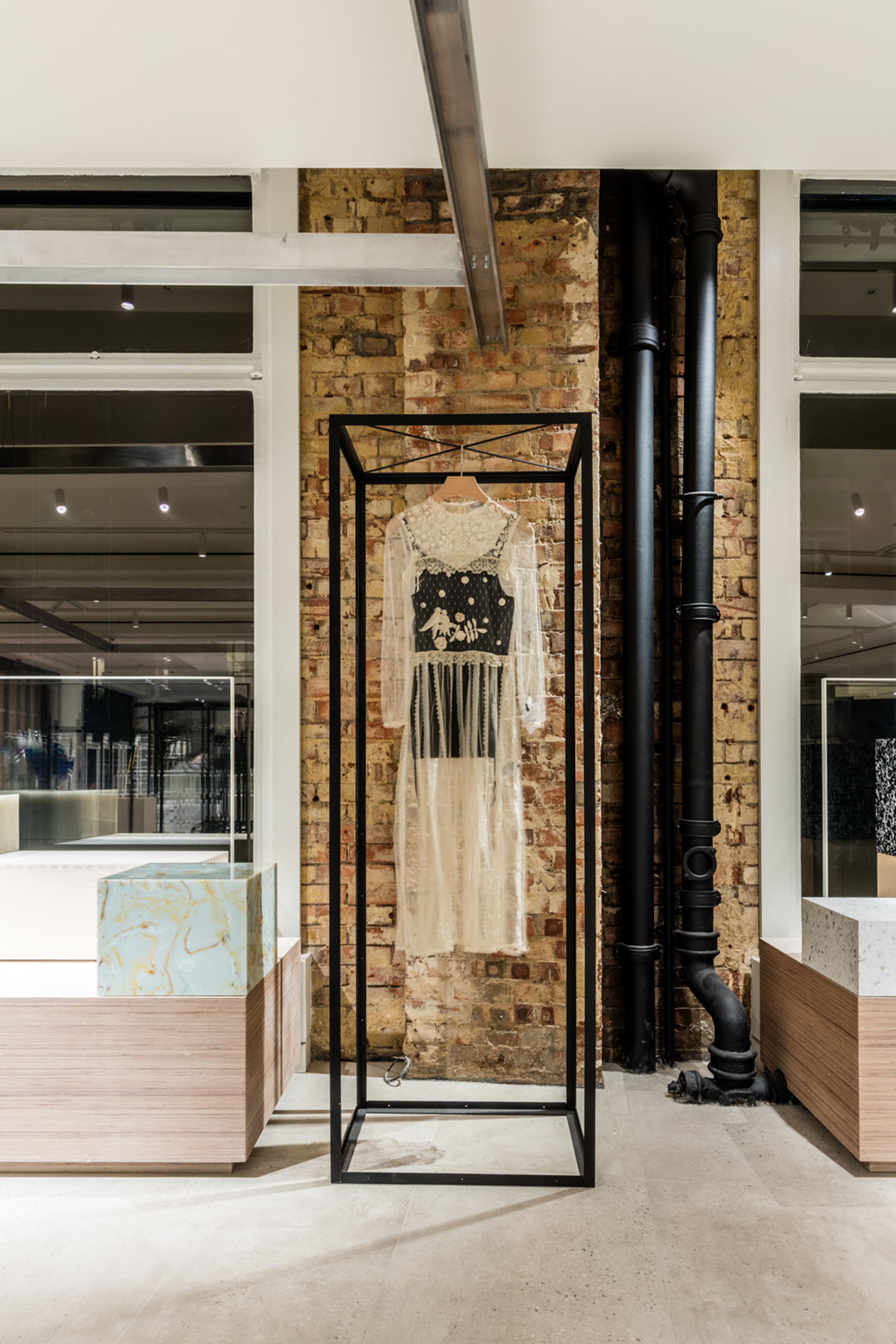
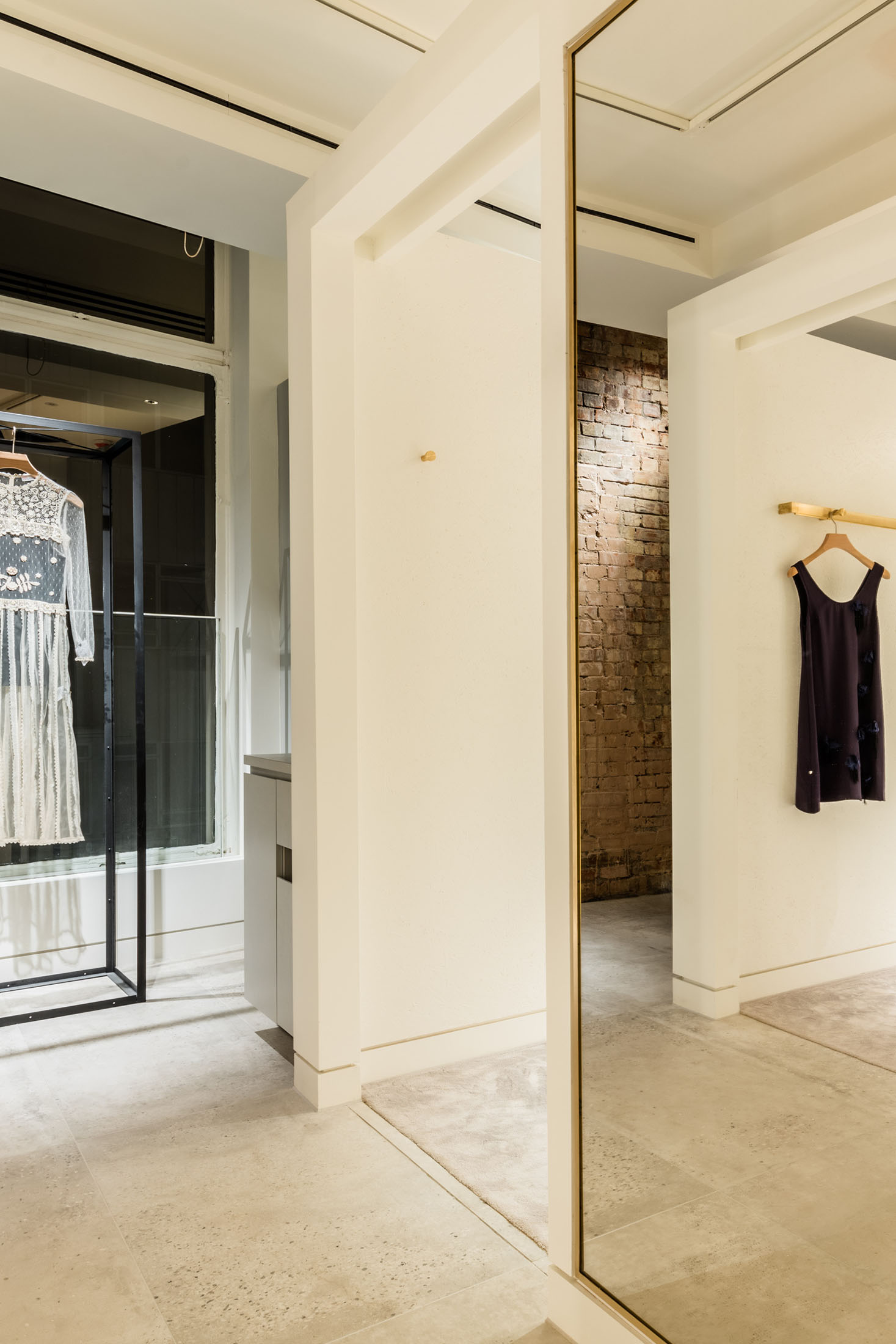
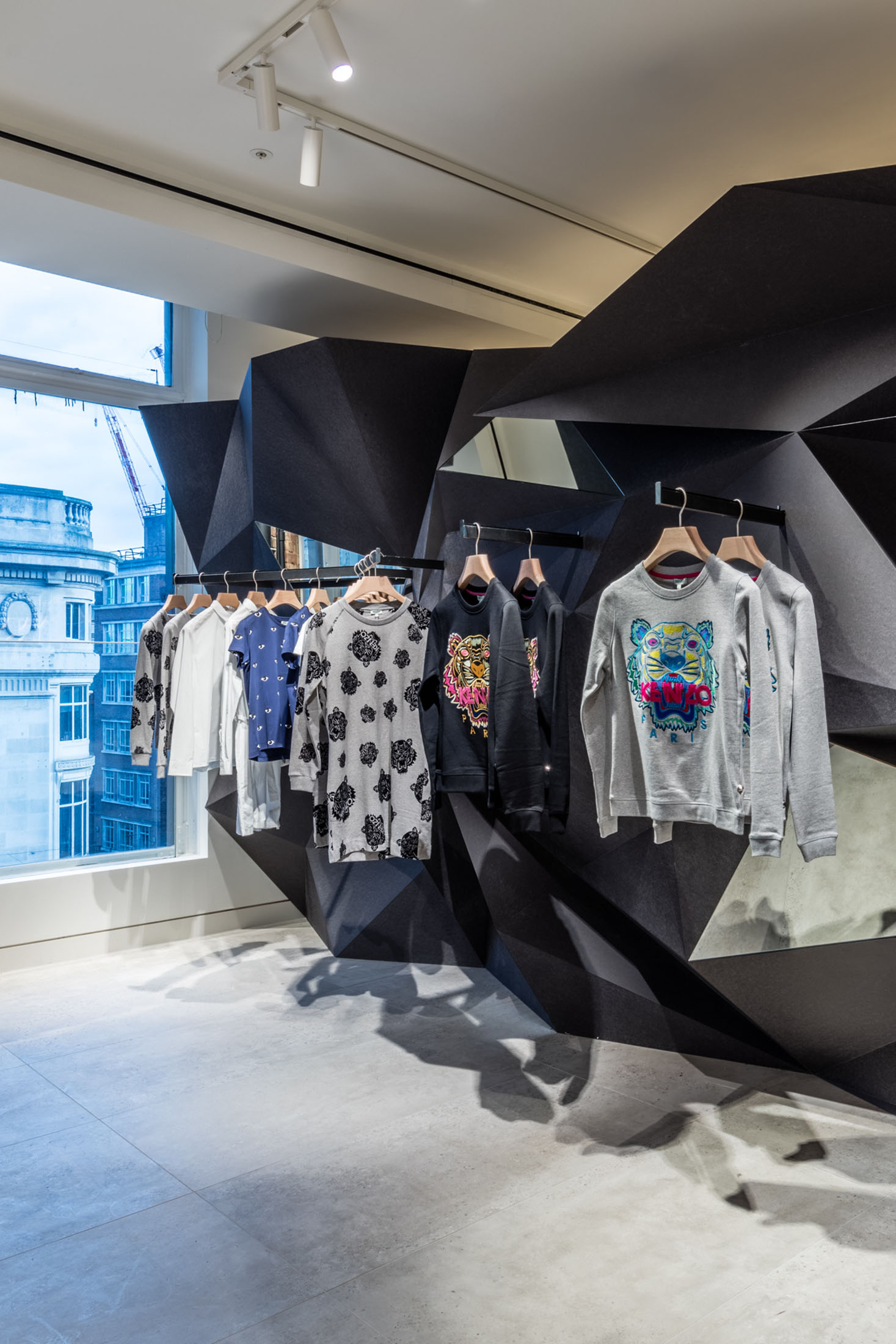
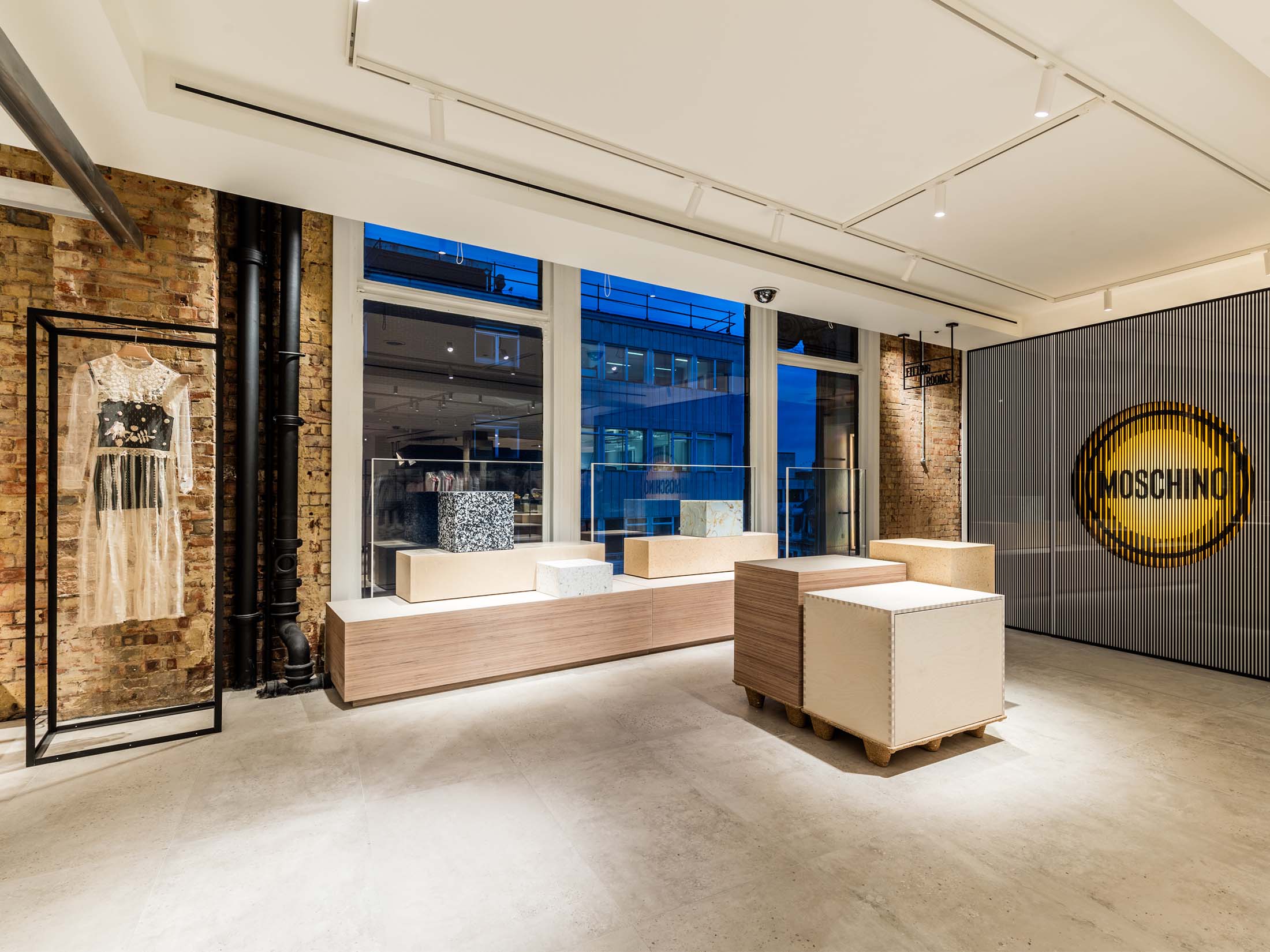
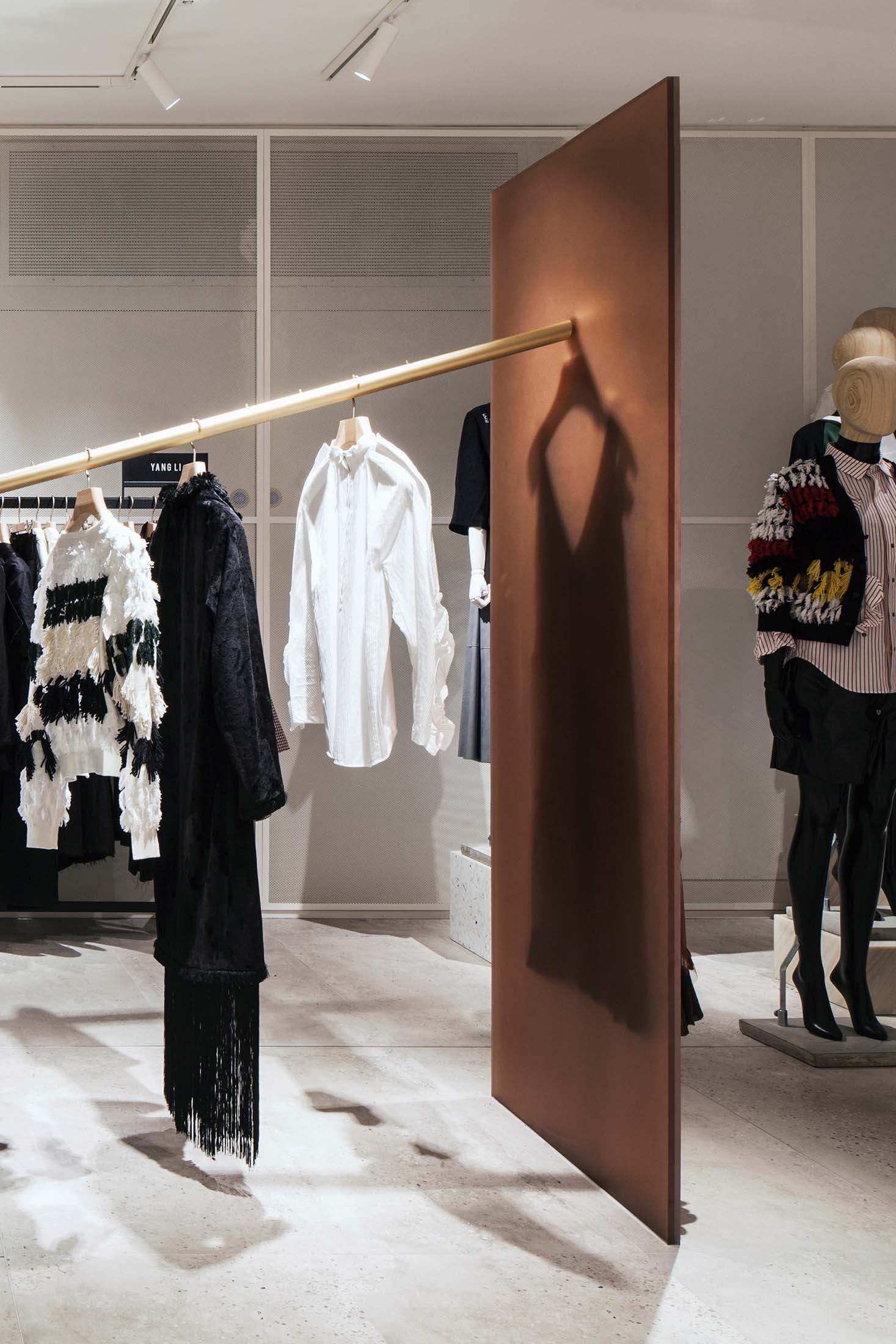
Hewn’s design establishes a stripped-back, gallery-like environment that supports a more fluid and experimental retail model. By reducing the space to its structural shell, exposed columns, brickwork and reclaimed daylight create a consistent architectural framework that allows change to happen without requiring constant reconfiguration of the base build. Within this, a series of commissioned installations by Gary Card, Patternity, UVA and Anna Lomax act as spatial anchors, organising the floor through moments of visual focus rather than fixed partitions. Flexible display systems, including movable rails and adaptable plinths, allow brands to shape their own presence while maintaining overall coherence. Integrated lighting, services and circulation strategies support this flexibility, enabling the space to respond quickly to shifting brand adjacencies, seasonal edits and evolving customer behaviour.
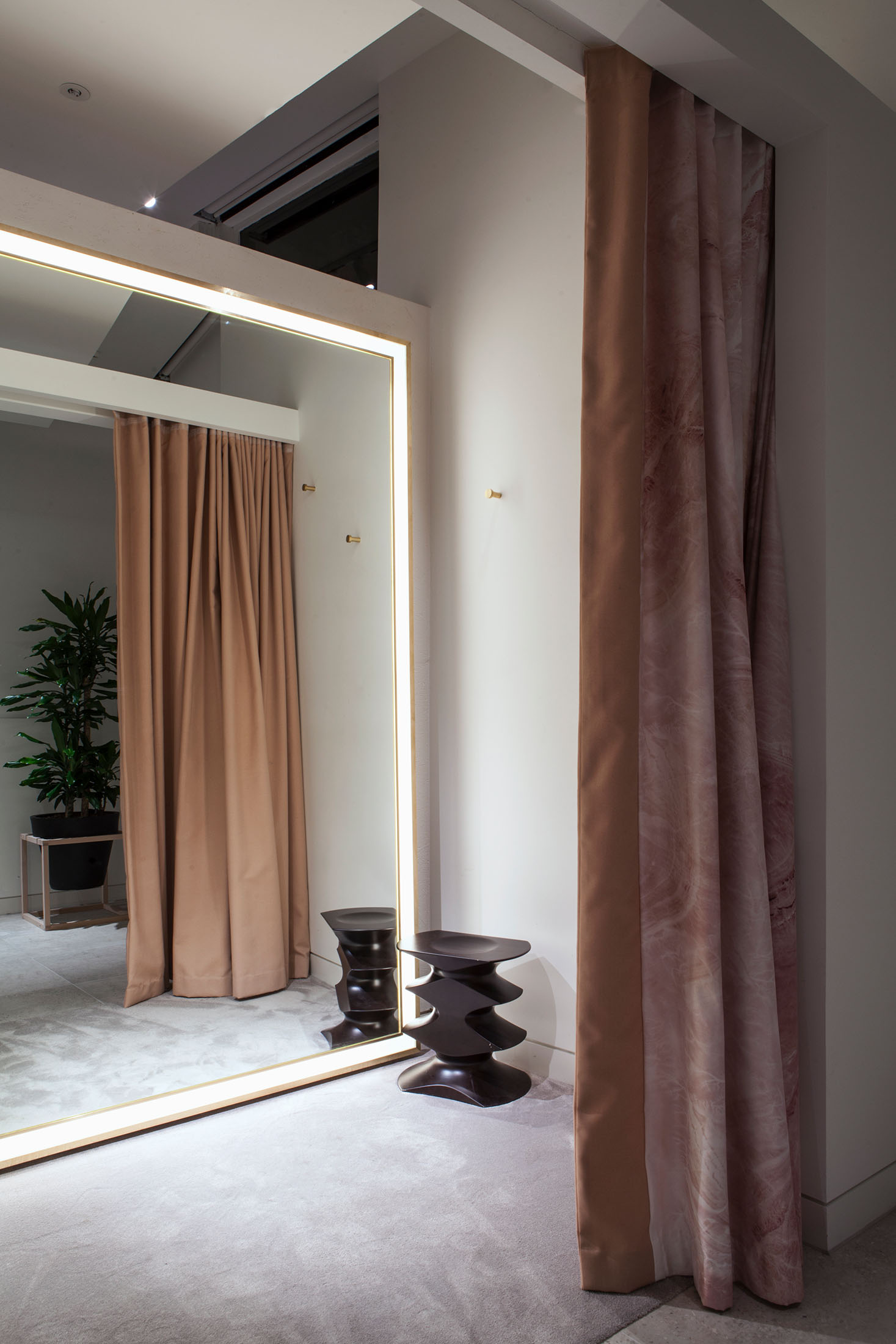
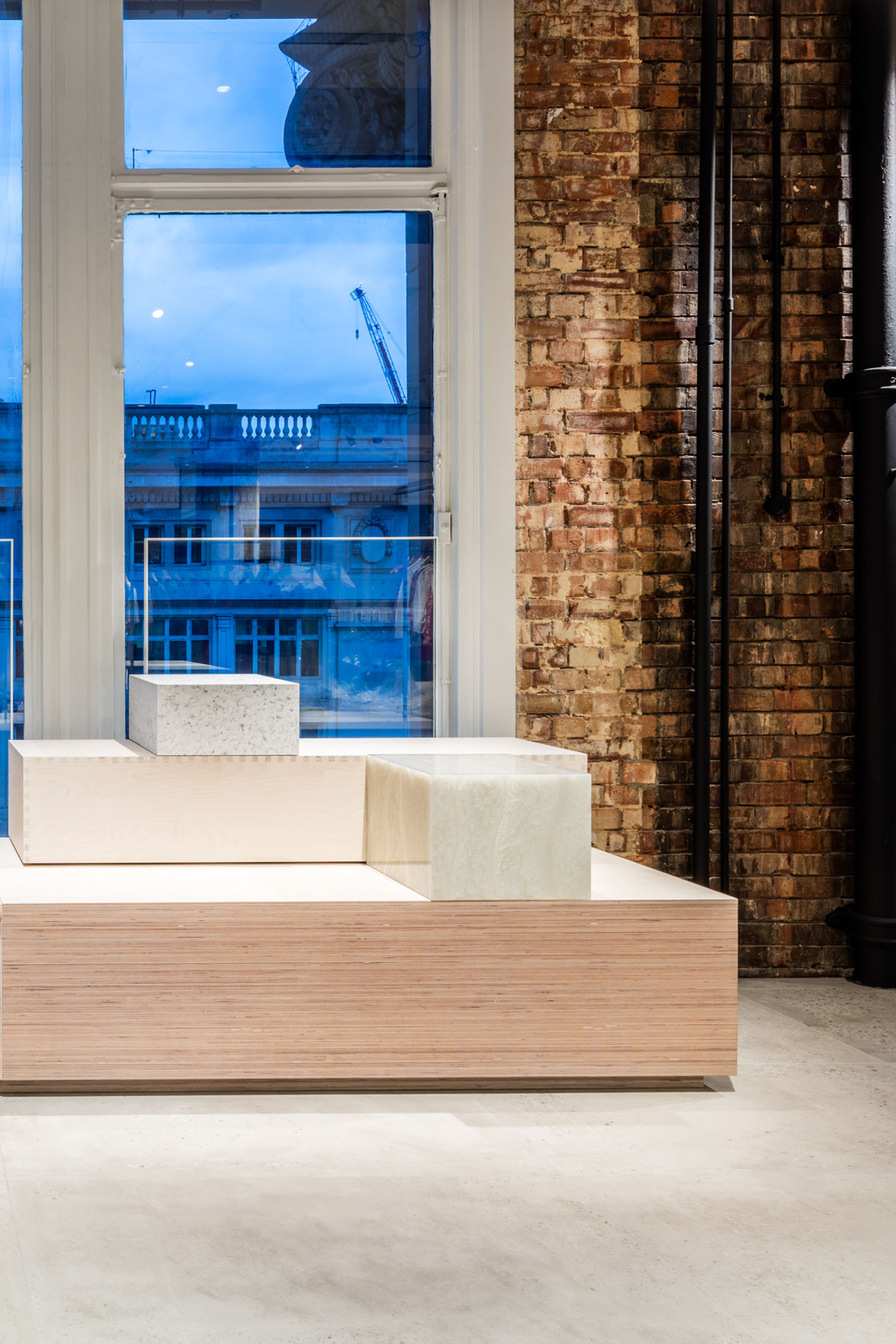
Existing concrete columns and exposed brickwork are left untreated, establishing a robust and legible base layer that anchors the space. Against this, new insertions are defined through precise joinery, pale timber plinths and stone display surfaces that provide a neutral but refined setting for product. Metal detailing and integrated lighting systems reinforce durability while maintaining visual clarity. This layered approach allows materials to perform both aesthetically and functionally, supporting long-term use while accommodating frequent reconfiguration.
“Lorem ipsum”
Lorem ipsumWe’d love to hear from you. Get in touch to start a conversation or learn more about our practice.
London Office
28-29 Great Sutton Street
Second Floor
London
EC1V 0DS
020 3918 5699
info@mailendesign.com
Oxfordshire Office
The Cart Shed
Manor Farm
West Hagbourne
Didcot
OX11 0ND
020 3918 5699
info@mailendesign.com